Box breathing is four counts in, four counts hold, four counts out, four counts hold. That is the entire technique. You can learn it in about ten seconds. You can do it anywhere, sitting or standing, with your eyes open or closed, in a meeting or on a train. It does not look like meditation. No one will know you are doing it.
I learned it from a friend who works in emergency medicine. She uses it before walking into the worst situations of her week — three minutes of box breathing in the corridor outside the room. She told me it is the most reliable tool she has for putting her nervous system in a state where she can do useful work. I have been using it the same way for years now.
Why it works
The held breath at the top and the held breath at the bottom are the active ingredient. A breath that just inhales and exhales rhythmically is calming, but the holds are what push the autonomic nervous system from sympathetic dominance toward parasympathetic. The body, briefly held at full and at empty, gets a small, unambiguous signal that nothing needs to be done with urgency.
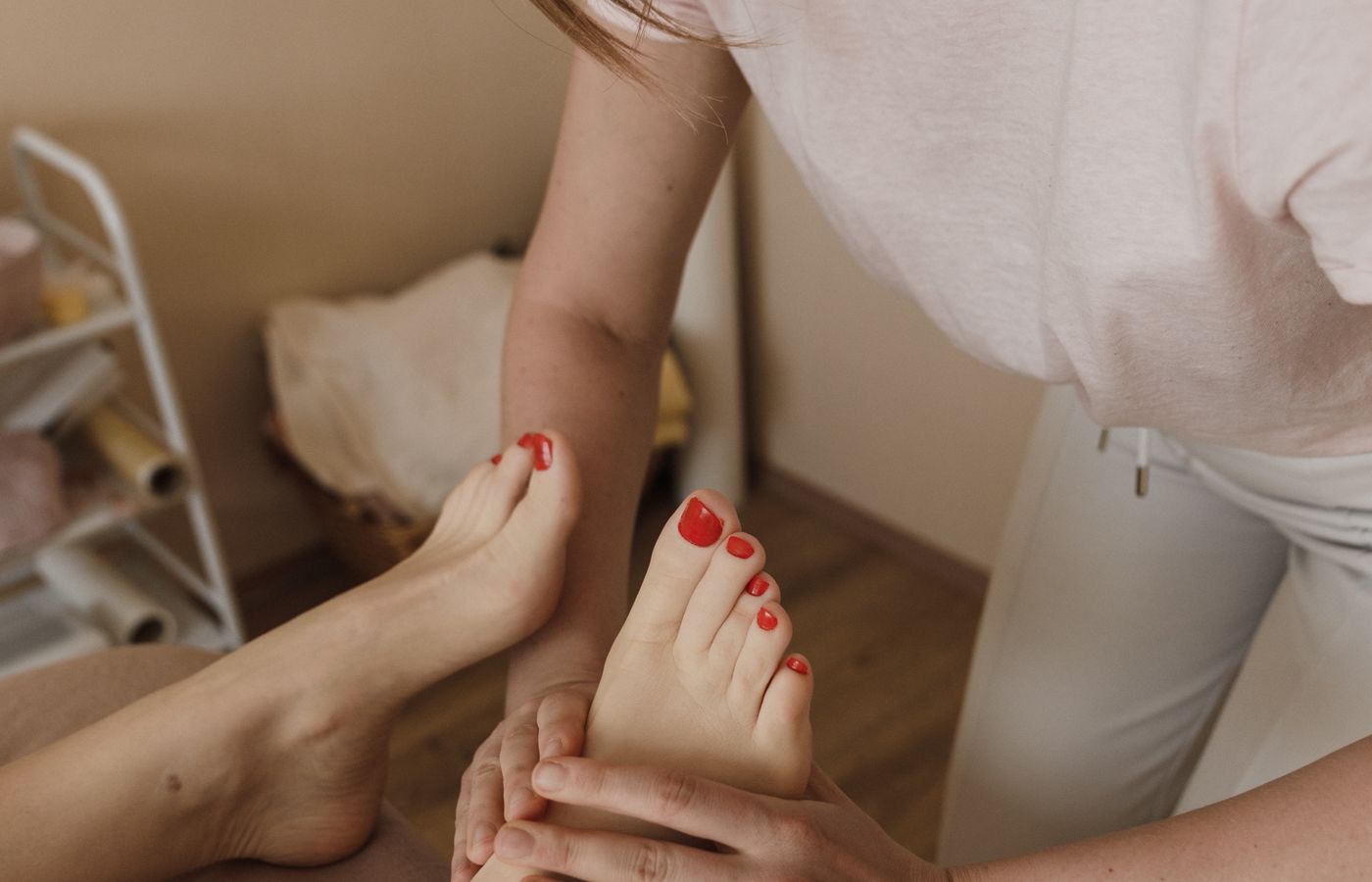
After three or four cycles — perhaps forty-five seconds of breathing — most people will notice a small shift. The shoulders drop a quarter-inch. The jaw unclenches. The thoughts that had been crowding the front of the mind step back by a small distance. After ten cycles — two minutes — the shift is usually pronounced.
When to use it
Before a conversation you are dreading. Before a session at the table, both as practitioner and as client. After a piece of bad news, once the initial wave has passed. In the small minutes between meetings, when the body is still running on residual cortisol from the last one. Before bed, lying flat, as the entry to sleep.
Not during exercise. Not during anything that genuinely requires fast breath. The technique deliberately suppresses the body's natural breath rhythm in order to slow the nervous system, and that suppression is not what you want during a run or during effortful physical work.
A small mistake to avoid
Do not push the counts. If four counts feels too long at first — and for many people, especially when first trying it under stress, it will — start with three counts. The proportion is what matters, not the absolute length. Three-three-three-three works almost as well as four-four-four-four. The breath should feel doable, not effortful. Effort defeats the point.
Three minutes of box breathing will not solve a problem. It will give the nervous system the equipment to face the problem. That is a different and useful thing.
Try it for a week. Three times a day, two minutes each. By the end of the week, the body will start reaching for it on its own when it needs it. That is when the practice has landed.